Shock
We investigate endothelial, immune, and molecular responses that contribute to multiorgan dysfunction in severe systemic inflammation.
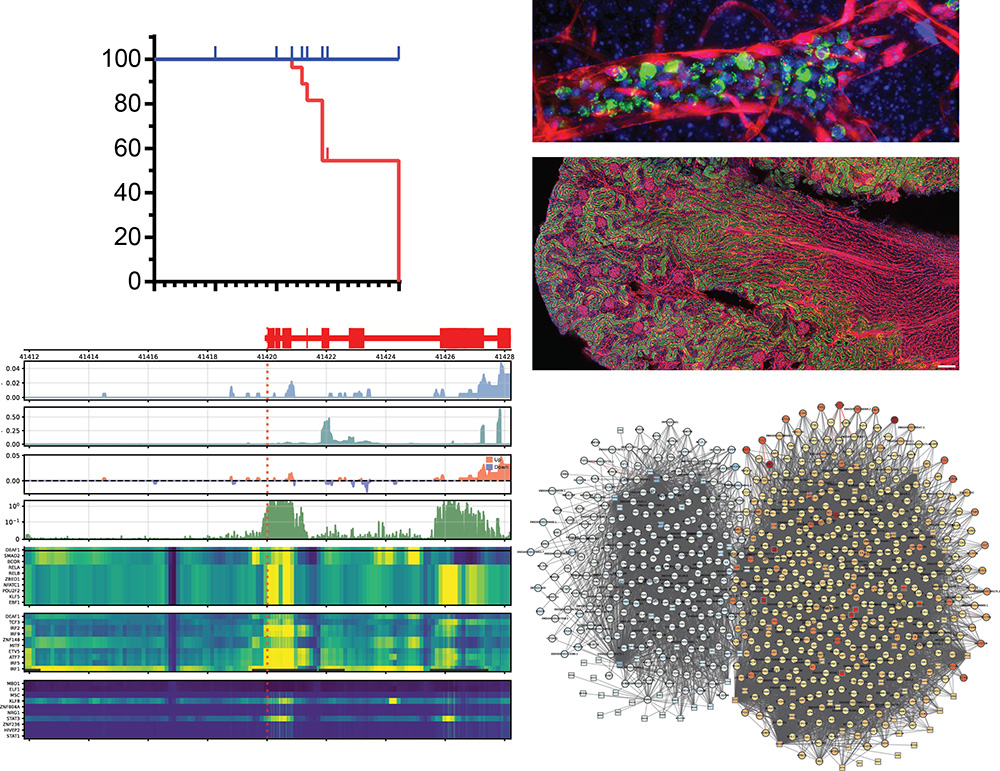
The endothelium is a key regulator of multiorgan dysfunction in response to shock. We seek to identify the specific transcriptional and post-transcriptional mechanisms driving endothelial dysfunction in this context in order to discriminate the mechanisms that regulate the required immune response for pathogen clearance from those leading to collateral damage. The findings from these studies will provide the basis for the development of new non-immunosuppressive therapies to limit organ dysfunction and increase survival after shock.
Key questions driving our research are: 1) What are the effectors downstream of a cytokine storm that we can target to limit organ dysfunction without limiting the immune response? 2) What are the main drivers of long-term consequences and chronic inflammation after shock recovery? 3) How can we take advantage of the complexity of the endothelial response to tailor it towards a pro-immune response while limiting the collateral damage?
Our research demonstrated a crucial role for the IL-6-induced STAT3/SOCS3 signaling module in the regulation of endothelial permeability.
We recently identified a new, non-canonical mechanism downstream of IL-6 that we call “type I interferon-like”. We are actively working on understanding this alternative pro-inflammatory pathway.
Sourcing of human primary endothelial cells in-house allows us to perform mechanistic studies in a cost-effective manner, a panel of endothelial-specific transgenic mice enables us to study key regulators of transcription in the context of multiorgan dysfunction, and clinical collaborators provide us with unique human specimens to ensure the translatability of our research.